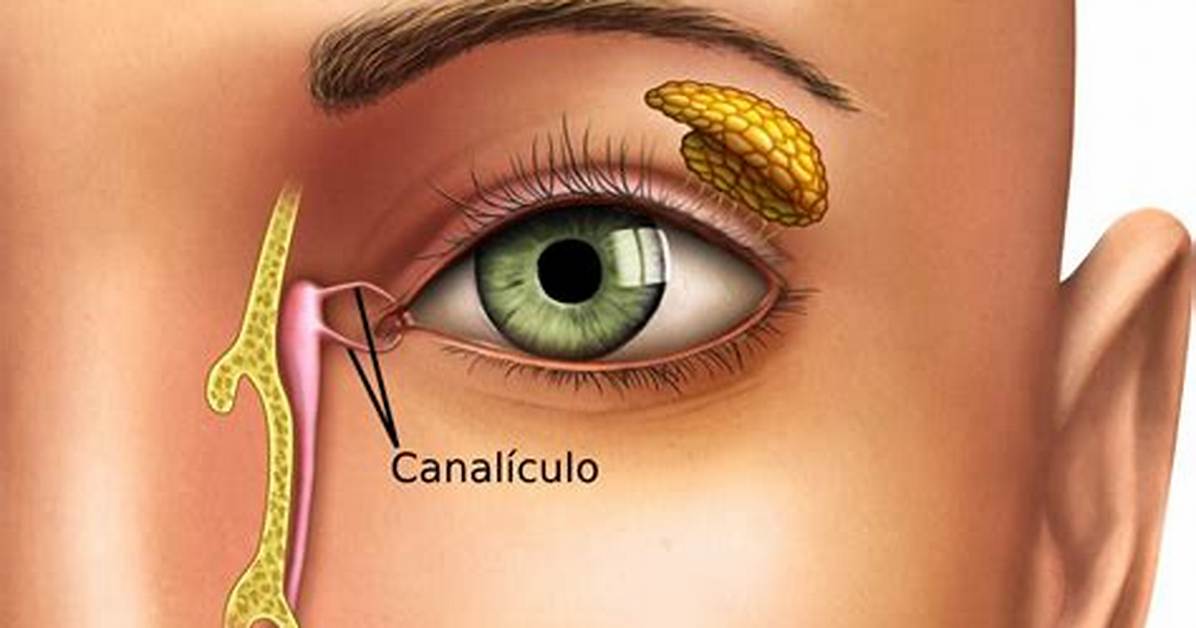
What is canaliculitis?
Canaliculitis is an inflammation or infection of the tear duct or canal (the lacrimal canaliculus). It is a relatively uncommon disease with symptoms such as tearing, discharge and swelling in the tear duct opening. Because of its rarity and common symptoms, canaliculitis is frequently misdiagnosed.
It’s often unilateral, which means it only affects one eye. So, it is unlikely that someone would have canaliculitis in both eyes at the same time.
Canaliculitis makes up only about 2% to 4% of lacrimal (tear-related) disease cases. It’s more common in females than males and has been shown to occur in people ranging in age from 5 to 90. The average age of patients, however, is around 65.
What causes canaliculitis?
Canaliculitis is caused by an infection of the lacrimal canaliculus, the tear ducts and canals. This infection is usually the result of bacteria, but fungi and viruses have been known to cause it as well.
The most common cause of secondary canaliculitis is punctal plugs, which are often used as treatment for dry eye. One study found a 6% rate of canaliculitis occurring in patients who received SMARTPlugs. However, the actual rate may have been even higher since a number of patients did not return for follow-up visits in the years following plug insertion. The average time between plug insertion and canaliculitis symptom development is around three years.
A possible reason that canaliculitis is seen more often in women than men is the hormonal shift undergone during menopause. This shift can lead to decreased tear production that results in lower protection against infection in the eyes.
There’s another theory that the use of eye makeup may increase infection risk, as it can obstruct the tear duct and introduce bacteria, leading to increased bacteria production.

