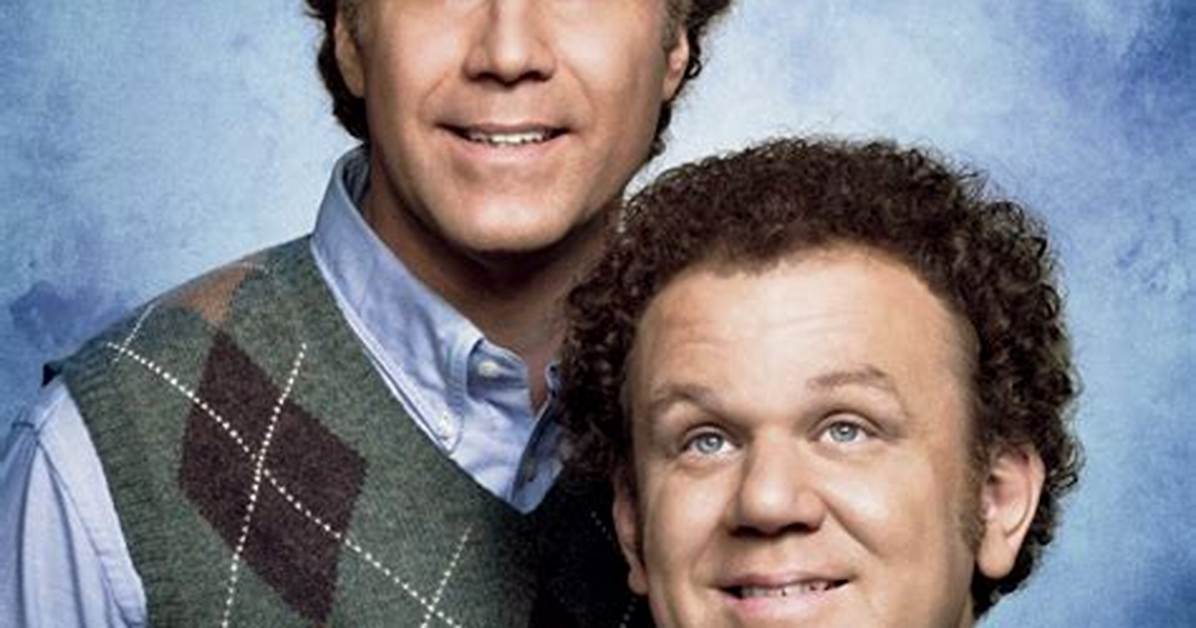
The world of comedy films has been graced with numerous classics, but few have left as indelible a mark as the original "Step Brothers." Released in 2008, the film swiftly gained a cult following, celebrated for its outrageous humor and the unforgettable performances of its leading duo, Will Ferrell and John C. Reilly. Fans have long awaited the announcement of "Step Brothers 2," hoping for a continuation of the side-splitting antics and sibling rivalry that made the first movie a beloved staple. This article aims to explore the potential sequel, delving into the possibilities, casting rumors, and the cultural impact of the original film.
In the original "Step Brothers," we were introduced to the characters Brennan Huff and Dale Doback, two middle-aged, unemployed men still living with their respective single parents. Their lives are turned upside down when their parents get married, forcing them to become stepbrothers and share a house. The comedic chaos that ensues as they navigate their new family dynamics and the world of adulthood is what makes the film a timeless piece of entertainment. With the potential for a sequel, fans are once again ready to witness the comedic genius that Ferrell and Reilly bring to the screen.
While there has been no official confirmation of "Step Brothers 2," the mere speculation of its production has sparked excitement and intrigue. The concept of revisiting these beloved characters and exploring new comedic scenarios provides fertile ground for discussion. What could the sequel entail? How have the characters evolved over the years? And, most importantly, will it live up to the high expectations set by its predecessor? This article will address these questions and more, offering insights into the potential plotlines, character development, and the impact of such a sequel on the comedy genre.
Biography of the Original Movie
The original "Step Brothers" hit theaters in 2008, directed by Adam McKay and produced by Judd Apatow. The film was a collaboration of comedic titans, with Will Ferrell and John C. Reilly not only starring but also contributing to the screenplay. The movie followed the story of Brennan Huff and Dale Doback, two forty-year-old men forced to become stepbrothers when their parents marry. The film's unique blend of slapstick comedy, absurd situations, and relatable family themes made it an instant classic.
The film's success can be attributed to its impeccable comedic timing and the chemistry between its leads. Ferrell and Reilly brought their characters to life with such authenticity and humor that audiences couldn't help but root for these overgrown children as they navigated their new family dynamics. The movie grossed over $128 million worldwide, proving that the unconventional premise struck a chord with viewers across the globe.
Personal Details of Key Crew Members
| Name | Role | Notable Works |
|---|---|---|
| Adam McKay | Director | The Big Short, Anchorman |
| Judd Apatow | Producer | The 40-Year-Old Virgin, Knocked Up |
| Will Ferrell | Actor/Screenplay | Elf, Anchorman |
| John C. Reilly | Actor/Screenplay | Chicago, Walk Hard: The Dewey Cox Story |
The Characters: Brennan and Dale
Brennan Huff and Dale Doback are the heart and soul of "Step Brothers." Their characters epitomize the concept of arrested development, showcasing two men who refuse to grow up despite societal expectations. Brennan, portrayed by Will Ferrell, is characterized by his childlike wonder and lack of ambition. He is the quintessential man-child, navigating life with a naivety that is both endearing and frustrating.
Dale Doback, played by John C. Reilly, complements Brennan's personality with his own brand of immaturity. Dale is fiercely protective of his personal space and belongings, often engaging in petty conflicts with Brennan over trivial matters. Their dynamic is what drives the film, as they oscillate between fierce rivalry and heartfelt camaraderie.
Character Evolution
Throughout the movie, both characters undergo significant growth, albeit in their unique ways. Brennan and Dale begin as adversaries, each resistant to the idea of sharing their homes and lives. However, as the film progresses, they learn to embrace their differences and form a bond that transcends their initial animosity. This evolution is crucial to the film's narrative, as it highlights the importance of family, acceptance, and personal growth.

