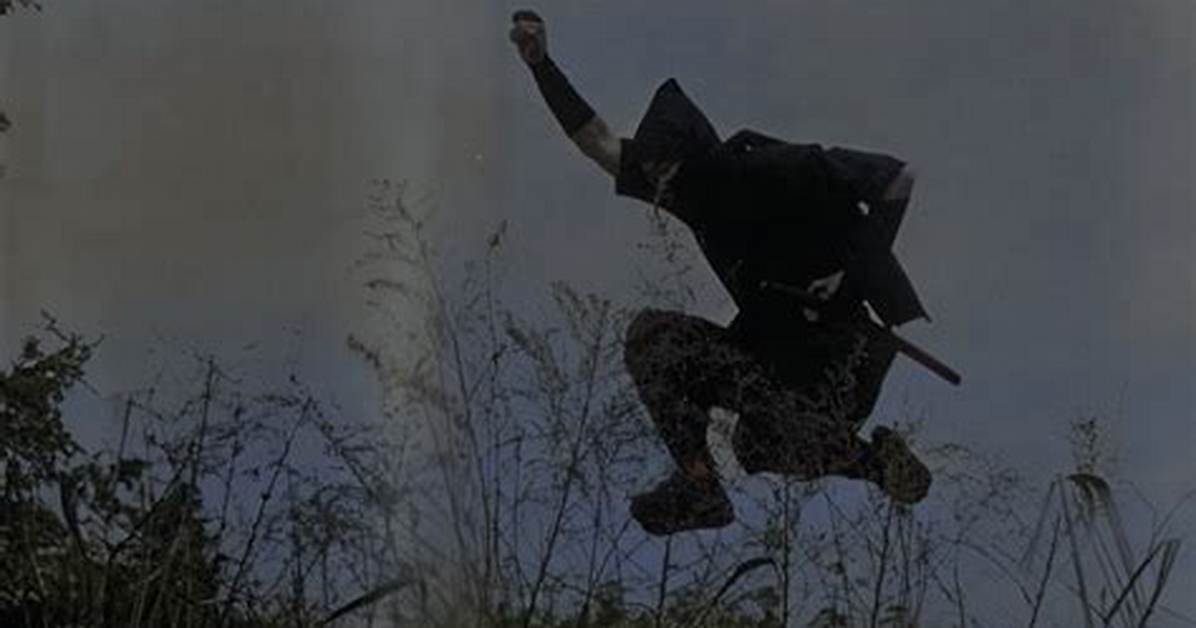
Ninja Age refers to a fascinating period in history that has left an indelible mark on modern society. The lore of ninjas, steeped in mystery and skill, captivates the imagination of many. From their origins in feudal Japan to their portrayal in contemporary media, the essence of ninjas continues to evolve, influencing various aspects of culture, from movies and video games to martial arts and fashion. In this article, we will delve into the history of ninjas, their techniques, and their impact on today’s society.
The term 'ninja' conjures images of stealthy warriors clad in black, executing precise missions under the cover of darkness. However, the reality of ninjas, or shinobi, is far more nuanced. They were not just assassins; they were skilled spies, warriors, and tacticians, playing a crucial role in the power struggles of ancient Japan. This article will explore the multifaceted nature of ninjas, shedding light on their training, tactics, and the legacy they left behind.
As we venture through the various aspects of the Ninja Age, we will examine how these skilled individuals have transcended their historical roots to become cultural icons in today’s world. From the rise of ninja-themed media to the resurgence of interest in traditional martial arts, the influence of ninjas is more prevalent than ever. Join us on this journey to uncover the layers of the Ninja Age and its significance in modern culture.
1. The Historical Background of Ninjas
Ninjas, or shinobi, emerged during Japan's feudal period, primarily between the 15th and 17th centuries. Their origins are often linked to the tumultuous times of warfare and political intrigue, where espionage and unconventional warfare became essential.
Many historians believe that ninjas came from the Iga and Koga regions of Japan, where they honed their skills in stealth and guerrilla tactics. They played vital roles in the battles between rival clans, gathering intelligence and executing sabotage missions.
Key points about the history of ninjas include:
- Their training in various martial arts, survival skills, and espionage.
- Their use of specialized tools and weapons, such as shuriken and smoke bombs.
- Their association with the samurai, despite being viewed as lower class.
2. Ninja Techniques and Skills
Ninjas were renowned for their diverse skill set, which included a range of techniques essential for survival and success in their missions. The following are some key techniques attributed to ninjas:
2.1 Stealth and Infiltration
The art of stealth was paramount for a ninja. They employed various tactics to remain unseen, such as:
- Moving silently, often barefoot or with specially designed footwear.
- Utilizing the environment to their advantage, such as blending in with shadows.
- Creating distractions to divert attention away from their movements.
2.2 Espionage and Intelligence Gathering
Gathering intelligence was a critical function of ninjas. They often used disguises and false identities to infiltrate enemy ranks and gather valuable information.
- Spying on enemy camps and reporting back to their leaders.
- Using coded messages and symbols to communicate secretly.

