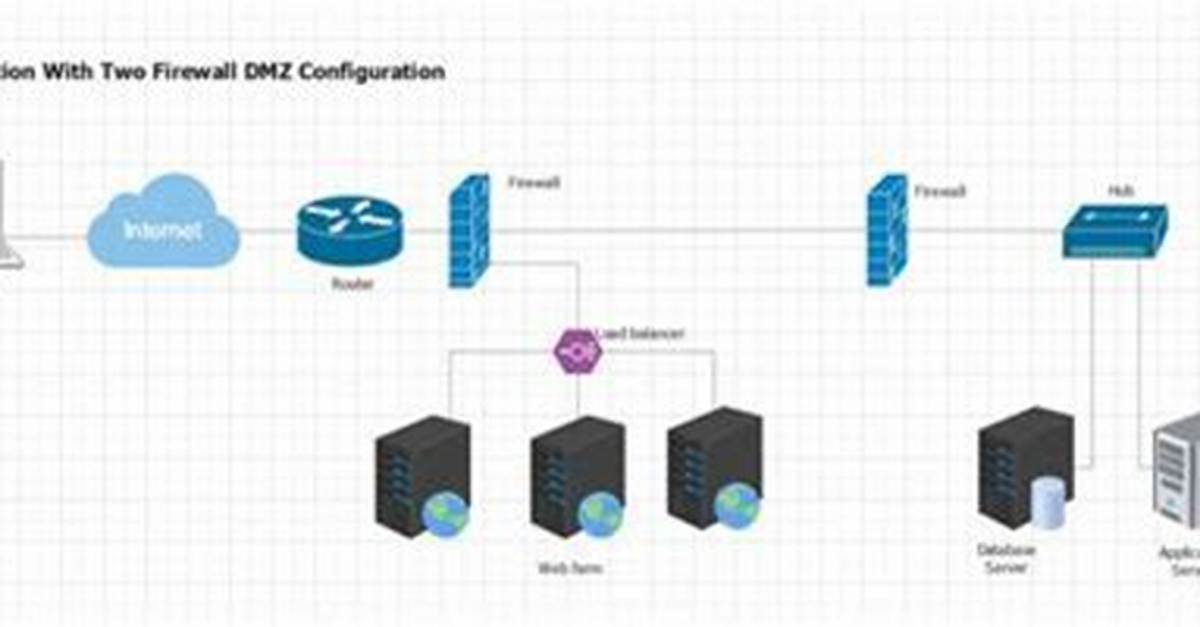
Using RemoteIoT behind a firewall on a Mac can seem like a daunting task, but with the right steps, it becomes manageable. Whether you're a professional or a beginner, understanding the intricacies of network configurations and firewall settings is crucial for seamless connectivity. In this guide, we'll walk you through the essential steps to achieve this.
As more businesses and individuals rely on IoT (Internet of Things) devices, the need for secure and reliable connections grows exponentially. Firewalls act as a protective barrier, but they can also block necessary communications. This article will focus on configuring RemoteIoT systems to work effectively behind a firewall on Mac devices.
This guide is designed to provide detailed instructions and tips to ensure that your RemoteIoT setup is secure, efficient, and optimized for performance. Let's dive in and explore how you can unlock the full potential of your IoT devices while maintaining robust security measures.
Introduction to RemoteIoT and Firewalls
In today's interconnected world, RemoteIoT plays a pivotal role in enabling communication between devices across networks. However, firewalls can pose challenges to this communication. Understanding how to configure RemoteIoT behind a firewall on Mac is essential for maintaining secure and uninterrupted connectivity.
Why Firewalls Are Important
Firewalls act as a barrier between your internal network and the external internet, protecting your system from unauthorized access. While they enhance security, they can sometimes block legitimate traffic, including data from IoT devices.
Understanding Firewalls and Their Role
A firewall is a network security system that monitors and controls incoming and outgoing network traffic based on predetermined security rules. It helps protect your Mac from malicious attacks and unauthorized access.
Types of Firewalls
- Software Firewalls
- Hardware Firewalls
- Cloud Firewalls
Each type serves a specific purpose and can be configured differently to accommodate RemoteIoT traffic.

