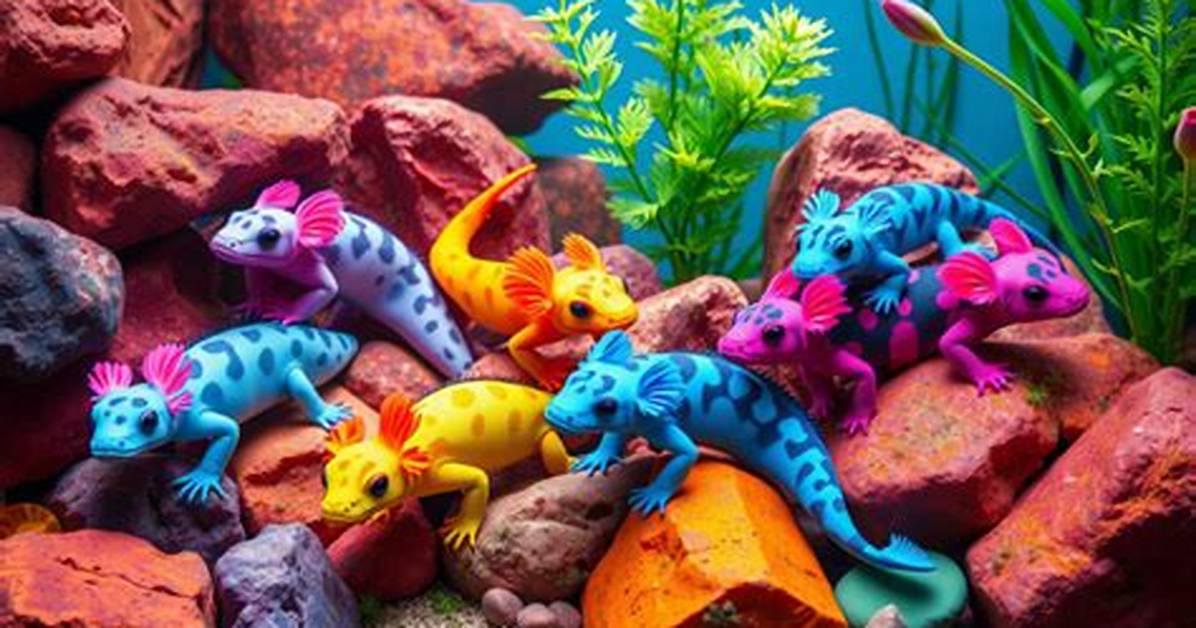
When it comes to the captivating axolotl, one of the most intriguing aspects is undoubtedly its stunning array of colors. These unique creatures, native to the lakes of Mexico, are not only admired for their adorable appearance but also for their diverse color variations. Understanding how many colors of axolotls are there opens a window into the fascinating world of these amphibians and their genetic diversity. The different colors not only serve as a visual treat but also indicate various genetic traits that have evolved over time.
The axolotl, or Ambystoma mexicanum, is a neotenic salamander that retains its larval features throughout its life. This remarkable trait, combined with their vibrant colors, has made axolotls a popular choice among pet enthusiasts and researchers alike. From the classic wild-type to striking albino and leucistic variants, the spectrum of colors is as diverse as their personalities. As we delve deeper into the question of how many colors of axolotls are there, we will uncover the underlying genetics that contribute to these variations and the significance they hold in the axolotl community.
In this article, we will explore the various colors of axolotls, their genetic background, and the significance of these colorations in the context of their habitats and conservation efforts. Whether you are a current axolotl owner or simply fascinated by these enchanting creatures, understanding the colors of axolotls will enhance your appreciation of their beauty and resilience. So, let’s dive into the vibrant world of axolotls and discover just how many colors of axolotls are there!
What Are the Different Colors of Axolotls?
Axolotls come in a variety of colors, each with its own unique characteristics and appeal. The main color variations include:
- Wild Type: This coloration is characterized by a dark, mottled appearance with a brown to grayish hue, resembling the natural colors of axolotls in the wild.
- Leucistic: Leucistic axolotls are pale with pinkish tones and have translucent skin, allowing their internal organs to be visible.
- Albino: These axolotls lack pigmentation, resulting in a pure white body and red or pink eyes.
- Golden Albino: Similar to the albino, but with a yellowish hue, giving them a more vibrant appearance.
- Black Melanoid: This variation features a completely black body with a glossy finish, a result of a genetic mutation.
- GFP (Green Fluorescent Protein): GFP axolotls are genetically modified to exhibit a green glow under ultraviolet light.
How Many Colors of Axolotls Are There in Total?
While the primary color variations are well-documented, the total number of colors can be difficult to quantify due to the potential for hybridization and genetic mutations. Breeders continue to develop new color morphs, resulting in an ever-expanding palette of axolotl colors. As of now, the recognized color types include:
- Wild Type
- Leucistic
- Albino
- Golden Albino
- Black Melanoid
- GFP
- Other hybrid and rare morphs
In summary, there are at least six main color types, with additional hybrids and mutations extending this number further. The exact count may vary among different breeders and regions.
What Causes the Color Variation in Axolotls?
The color variations in axolotls are primarily attributed to their genetics. The specific genes responsible for pigmentation determine the type and intensity of coloration. For instance, the leucistic trait is caused by a recessive allele affecting the production of melanin, leading to the pale appearance. Similarly, the albino axolotls lack the gene responsible for melanin production entirely.
Breeding practices also play a significant role in color variation. Selective breeding for specific traits can lead to the emergence of new color morphs. As a result, many axolotl enthusiasts actively participate in breeding programs to create and maintain these unique variations.
Are There Any Rare Colors of Axolotls?
Yes, in addition to the common colors, there are rare morphs that have emerged from selective breeding and genetic mutations. Some of these rare colors include:
- Piebald: Characterized by irregular patches of color, often with a mix of white and dark shades.
- Tickled Pink: This variant has a soft pink hue with a speckled appearance, resulting from specific genetic combinations.
- Lavender: A rare mutation that produces a light purple hue, making them highly sought after by collectors.
These rare colors often command higher prices in the market due to their uniqueness and limited availability.

