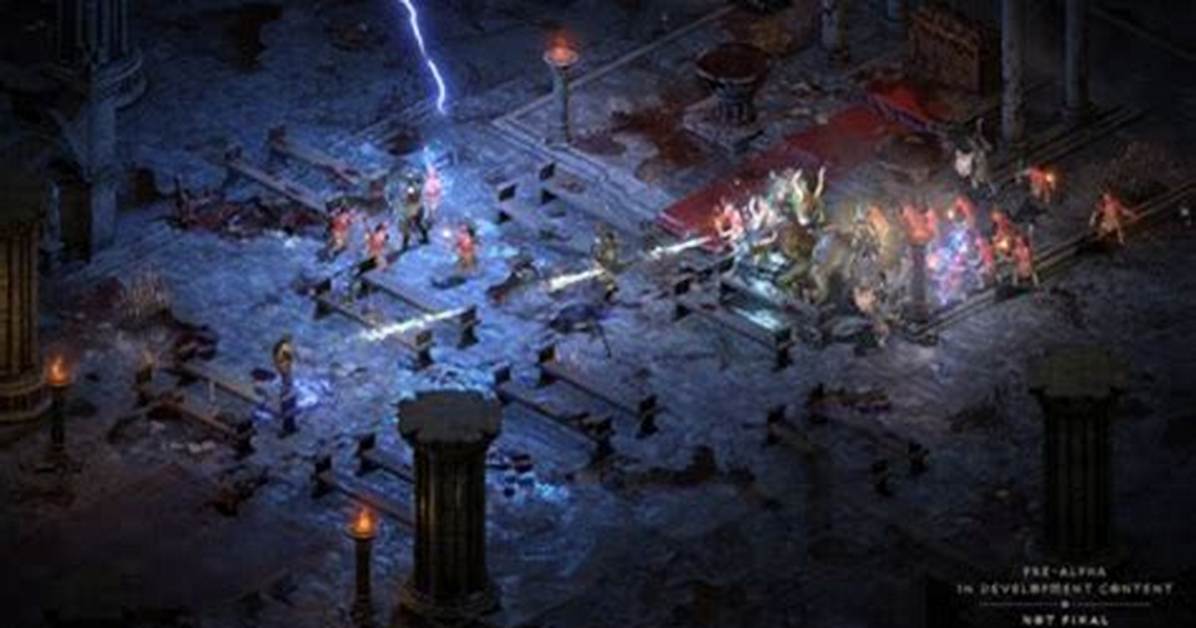
Diablo 2, a cornerstone of the action role-playing game genre, has captivated gamers since its initial release in 2000. With its dark fantasy world, rich lore, and addictive gameplay, it's no wonder that players continue to seek out this classic title on various platforms. As we delve into the realm of Diablo 2 platforms, we will uncover the different ways to experience this beloved game, whether you are a veteran player or a newcomer eager to join the fray.
Throughout the years, Diablo 2 has evolved, making its way onto multiple gaming platforms, each offering a unique experience. The game's transition from PC to consoles and even mobile devices showcases its timeless appeal and versatility. Players often wonder which platform suits their style of play best, as each version presents distinct features that can enhance or alter the gaming experience.
The gaming community remains passionate about Diablo 2, with discussions about the best platforms to play the game sparking debates among fans. Whether you're looking to relive nostalgic moments from your childhood or experience the thrill of battling demons for the first time, understanding the various Diablo 2 platforms available is essential for making an informed decision. Let's explore the platforms that bring this legendary game to life.
What Are the Main Platforms for Diablo 2?
Diablo 2 has made its mark on several platforms since its release. Here are the primary platforms where you can enjoy the game:
- PC (Windows and macOS): The original platform, providing the most comprehensive experience.
- Consoles: Diablo 2 was adapted for PlayStation and Xbox, offering a different gameplay experience.
- Battle.net: Blizzard's online service allows players to connect and play together.
- Mobile Devices: Recent adaptations allow for on-the-go gaming, expanding accessibility.
Is Diablo 2 Still Relevant on PC?
Absolutely! The PC version of Diablo 2 remains the most popular and is often considered the definitive way to experience the game. With the recent release of the Diablo 2: Resurrected edition, players are treated to improved graphics and quality-of-life enhancements while maintaining the classic gameplay that fans adore.
What Are the Key Features of Diablo 2 on PC?
Playing Diablo 2 on PC offers several advantages, including:
- Enhanced Graphics: The Resurrected edition features updated visuals that breathe new life into the game.
- Mod Support: The PC community has created mods that add new content, gameplay mechanics, and quality improvements.
- Customizable Controls: Players can tailor their controls to their preferences, enhancing the overall experience.
- Online Multiplayer: Battle.net remains a robust platform for connecting with other players.
How Does Diablo 2 Perform on Consoles?
The console versions of Diablo 2 brought the game to a new audience, making it more accessible for players who prefer console gaming. While the gameplay remains true to its roots, there are notable differences in controls and user interface.
What Are the Advantages of Playing on Consoles?
Playing Diablo 2 on consoles has its perks, including:
- Local Multiplayer: Consoles allow for couch co-op, letting friends join in the fun.
- Ease of Use: The console interface is streamlined for players who prefer a more straightforward experience.
- Accessible for New Players: For those unfamiliar with PC gaming, consoles provide a more familiar environment.
Are There Any Drawbacks to Console Versions?
While console versions of Diablo 2 offer many benefits, they also come with some drawbacks:
- Limited Mod Support: Console versions typically do not support mods, reducing customization options.
- Control Limitations: Some players find using controllers less precise than keyboard and mouse setups.
- Less Frequent Updates: Console versions may not receive updates and patches as quickly as the PC version.

