George is a name that carries a rich history and cultural significance. From its Greek origins, meaning "farmer," to its prominence in various historical and contemporary contexts, the name George has found a place in the hearts of many. Whether through notable figures, fictional characters, or the simple yet impactful everyday individual, the name resonates deeply across different cultures and time periods.
In this article, we delve into the multifaceted nature of George, exploring famous Georges throughout history, their contributions, and the cultural implications of the name. We will also examine how the name has evolved in modern society, showcasing its relevance in today's world. From George Washington to George Clooney, the legacy of this name is vast and varied, making it a fascinating subject of exploration.
Join us as we navigate through the life stories, achievements, and influence of those who bear the name George. We aim to uncover not just the facts but also the emotional resonance associated with this timeless name. Get ready to discover why George continues to capture our imagination and respect in numerous ways.
Who is George Washington?
George Washington, born on February 22, 1732, is one of the most celebrated figures in American history. He served as the first President of the United States from 1789 to 1797 and is often referred to as the "Father of His Country." Washington played a crucial role in the American Revolutionary War and was instrumental in the establishment of the United States as an independent nation.
What are some key events in George Washington's life?
- Served as Commander-in-Chief of the Continental Army during the Revolutionary War.
- Presided over the Constitutional Convention in 1787.
- Set precedents for the presidency, including the formation of a Cabinet.
- Refused to seek a third term, establishing a tradition of a two-term limit.
What was George Washington's impact on the United States?
Washington's leadership during the Revolutionary War and his role in drafting the U.S. Constitution significantly shaped the nation’s governance and democratic principles. His decision to step down after two terms paved the way for future presidents and established a norm of peaceful transfer of power, which is a cornerstone of American democracy today.
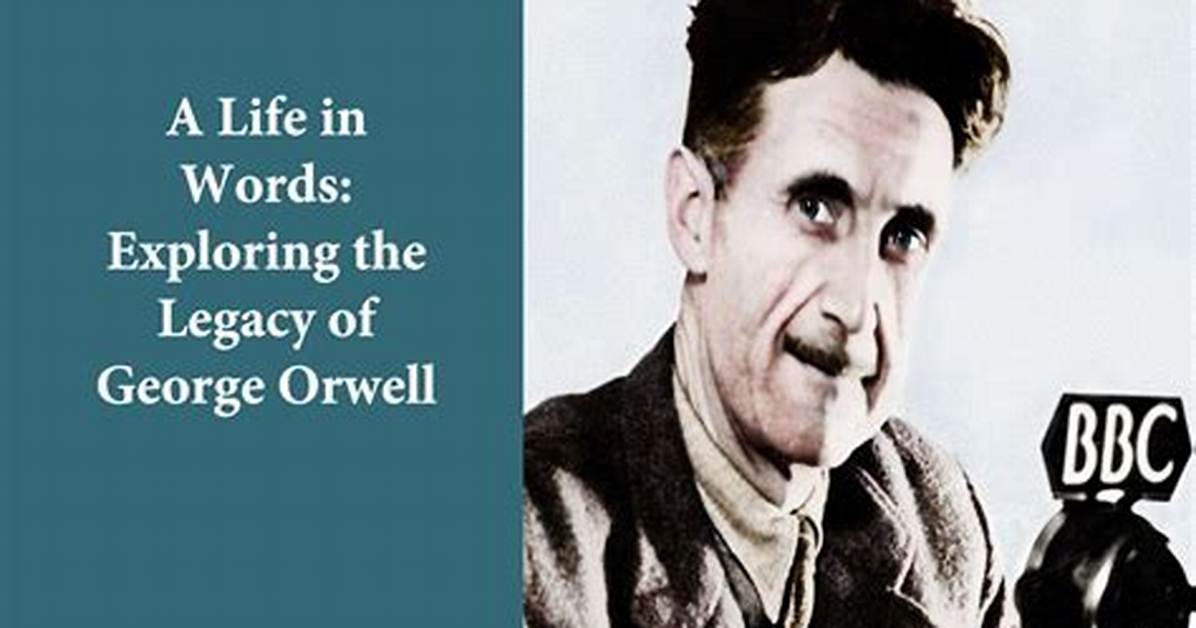
Who was George Orwell?
George Orwell, born Eric Arthur Blair on June 25, 1903, was an influential English novelist, essayist, journalist, and critic. Known for his sharp social commentary and profound insights into politics and human nature, Orwell's works, including "Animal Farm" and "1984," remain essential reading for understanding the complexities of totalitarianism and social injustice.
What themes are prevalent in George Orwell's works?
Orwell's writings often explore themes such as:
- The dangers of totalitarianism
- The critique of political ideologies
- The importance of language and truth
- The impact of war on society
Why is George Orwell still relevant today?
Orwell's insights into government surveillance, censorship, and the manipulation of truth resonate strongly in today’s digital age. His warnings about the erosion of personal freedoms and the abuse of power continue to serve as a cautionary tale for contemporary society, making his work a vital part of modern discourse.

