The Navajo Nation, a sovereign Native American territory in the southwestern United States, is home to a vibrant community rich in culture, history, and tradition. As one of the largest Native American tribes, the Navajo Nation spans across Arizona, Utah, and New Mexico, encompassing a wide range of natural landscapes and cultural landmarks. Keeping abreast with Navajo Nation news not only provides insight into the issues and triumphs faced by its people but also highlights the ongoing efforts to preserve and promote their unique heritage. With a blend of modernity and tradition, Navajo Nation news covers a spectrum of topics from economic initiatives, educational advancements, to political developments, and cultural events.
In recent years, the Navajo Nation has been at the forefront of Indigenous rights advocacy, environmental conservation, and cultural revitalization. The leadership within the Nation strives to address pressing issues such as healthcare access, economic development, and education reform while preserving the cultural identity and sovereignty of the Navajo people. With a population of over 300,000 individuals, the Navajo Nation's influence extends beyond its physical borders, impacting policies and perceptions at both national and international levels. Navajo Nation news serves as a vital medium for sharing the stories and achievements of this resilient community, fostering understanding and support from wider audiences.
For those interested in learning more about the Navajo Nation, following Navajo Nation news offers a comprehensive view of the challenges and opportunities faced by this dynamic community. From grassroots movements to government initiatives, the news provides a platform for the voices of the Navajo people to be heard and acknowledged. Through engaging storytelling and in-depth reporting, Navajo Nation news invites readers to explore the rich tapestry of Navajo life, offering a window into the traditions, values, and aspirations that shape this remarkable Nation.
The History and Heritage of the Navajo Nation
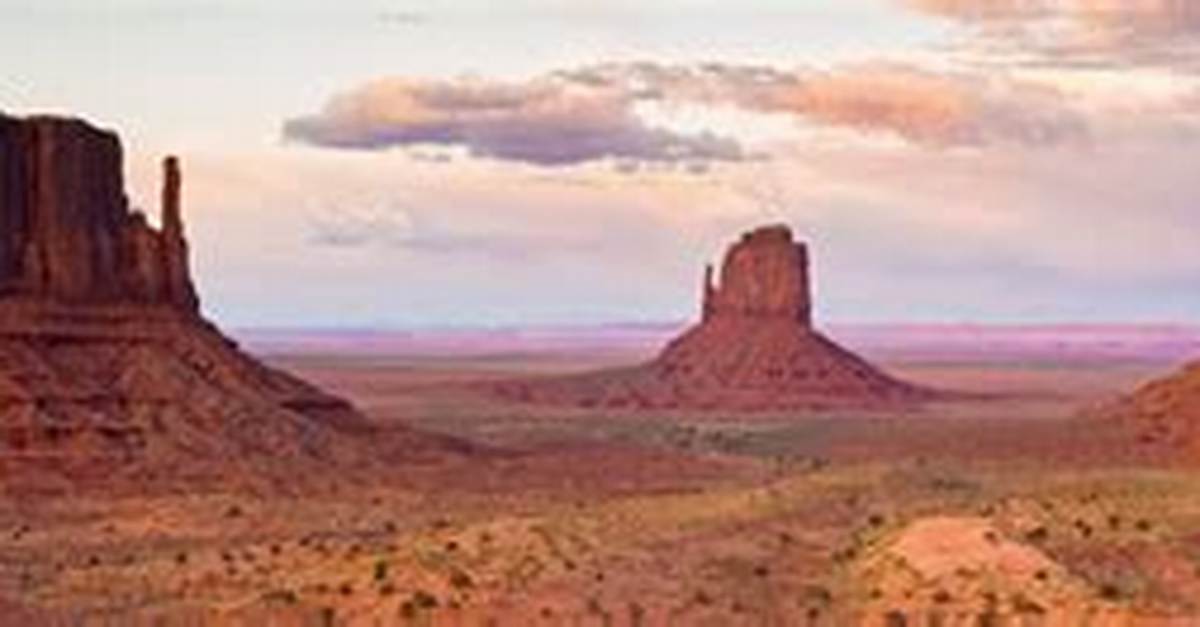
The Navajo Nation, known as Diné Bikéyah in the Navajo language, boasts a rich tapestry of history and cultural heritage that dates back centuries. The Navajo people, or Diné, have a deep spiritual connection to their land, which stretches across parts of Arizona, Utah, and New Mexico. This region, characterized by its stunning desert landscapes and sacred sites, has been the home of the Navajo for generations.
The history of the Navajo Nation is intricately linked with the broader history of Indigenous peoples in North America. The Navajo have endured numerous challenges, including forced relocation and cultural assimilation, but have remained resilient and steadfast in preserving their cultural identity. The Long Walk of the Navajo, a forced march from their homeland to an internment camp at Bosque Redondo in the 1860s, is a significant event in Navajo history that deeply affected their community but also sparked a strong sense of unity and resistance.
Today, the Navajo Nation is recognized for its efforts to maintain its cultural traditions while embracing modern advancements. The Navajo people continue to practice traditional ceremonies, speak their native language, and pass down oral histories to younger generations. The Navajo Nation Museum, located in Window Rock, Arizona, serves as a cultural hub where visitors can learn about Navajo history, art, and culture through exhibits and educational programs.
In addition to preserving their cultural heritage, the Navajo Nation has made significant strides in reclaiming their ancestral lands and asserting their sovereignty. The signing of treaties with the United States government has been a key factor in establishing legal recognition of their rights and territory. As a result, the Navajo Nation operates as a sovereign entity with its own government, laws, and institutions.
Understanding the history and heritage of the Navajo Nation is crucial to appreciating the depth and complexity of Navajo Nation news. By exploring the past, we gain insights into the challenges and triumphs that have shaped the Navajo people's journey and their ongoing efforts to build a brighter future for their community.
Navajo Nation Government and Political Structure
The Navajo Nation operates under a unique system of government that reflects both traditional Navajo values and modern governance principles. Established in 1923, the Navajo Nation government is the largest and most sophisticated among Native American tribes, serving as a model for self-governance and sovereignty.
The Navajo Nation government is divided into three branches: the Executive, Legislative, and Judicial branches. The Executive Branch is headed by the Navajo Nation President, who is elected by the Navajo people every four years. The President is responsible for overseeing the administration of government programs and services, as well as representing the Nation in intergovernmental affairs.
The Legislative Branch, known as the Navajo Nation Council, is composed of 24 delegates elected from various chapters, or local communities, within the Nation. The Council is responsible for enacting laws, approving budgets, and setting policy priorities. The Judicial Branch, which includes the Navajo Nation Supreme Court, interprets laws and resolves legal disputes within the Nation's jurisdiction.
In addition to these branches, the Navajo Nation government includes various departments and agencies that address specific areas such as health, education, economic development, and natural resources. These entities work collaboratively to implement policies and programs that benefit the Navajo people and promote sustainable development.
The Navajo Nation's political structure also includes a network of 110 chapters, which serve as local governing bodies. These chapters provide a platform for community members to participate in decision-making processes and address local issues. Each chapter elects its own officials and holds regular meetings to discuss community matters.
Through its government and political structure, the Navajo Nation is able to exercise a high degree of autonomy and self-determination. This governance framework enables the Navajo people to address their unique needs and priorities while maintaining their cultural identity and sovereignty. Navajo Nation news often highlights the decisions and policies enacted by the government, providing insight into the Nation's ongoing efforts to improve the well-being of its citizens.

